|

How Do You Clean and Maintain a Night Guard?
A night guard protects your teeth from damage while you sleep. However, to keep it effective, you must practice proper night guard cleaning. Bacteria and plaque can easily build up on plastic surfaces, leading to bad breath, cavities, and gum disease. Taking a few minutes each day for oral appliance care can keep your mouth healthy.
Restoration Dental in Mesa, AZ, helps patients protect their smiles. We provide custom-fitted dental appliances to stop the damage caused by clenching and grinding. Furthermore, we outline daily and weekly steps for complete night guard hygiene and maintenance.
What Is a Night Guard and Why Is It Important?
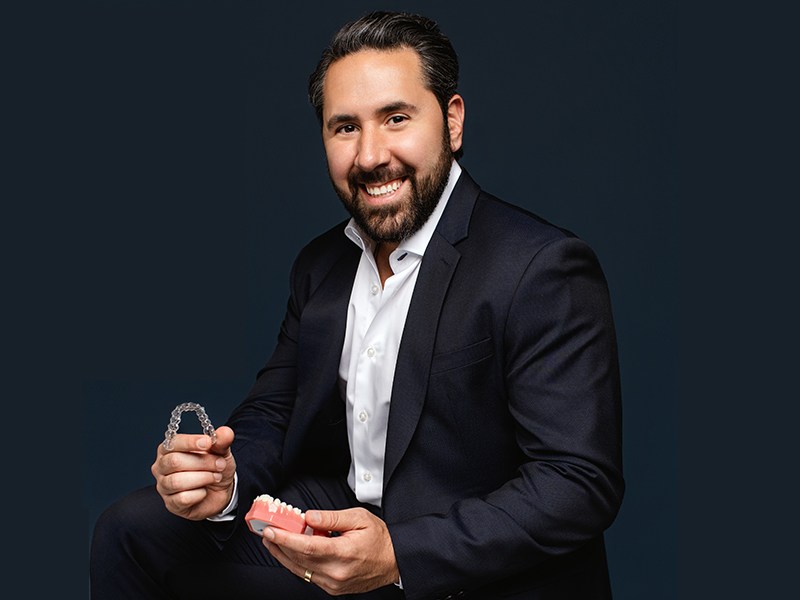
A night guard is a custom-made oral appliance made of durable plastic. Dentists prescribe these devices to treat bruxism, which is the medical term for teeth grinding. When you grind your teeth at night, you put extreme pressure on your jaw and enamel. A night guard acts as a protective barrier. It absorbs the force of your bite and prevents your teeth from rubbing together. Wearing a night guard provides several important benefits:
- Prevents chipped or cracked teeth
- Reduces jaw pain and muscle tension
- Decreases morning headaches
- Protects dental work like crowns and fillings
Because this appliance spends hours inside your mouth every night, it collects bacteria and saliva. Without regular cleaning, the device will become a breeding ground for harmful germs. As a result, strict oral appliance care is necessary.
Daily Steps to Clean Your Night Guard
You must clean your dental device every morning as soon as you remove it from your mouth. Establishing a morning routine prevents plaque from hardening on the plastic. Follow these simple steps for daily night guard cleaning:
- Rinse Immediately – Rinse the appliance with warm water right after removing it. This eliminates loose debris and saliva. Never use hot water, as high temperatures can warp the plastic.
- Brush the Guard – Use a soft-bristled toothbrush to gently scrub the device. You should keep a separate toothbrush specifically for this task.
- Let It Dry Completely – Place the appliance on a clean towel. Allow it to air dry fully before storing it. Storing a wet device in an enclosed space encourages mold growth.
Deep Cleaning Methods for Night Guards
Daily rinsing and brushing will remove surface bacteria. However, you also need to perform a deep clean at least once a week. Deep cleaning prevents discoloration and removes stubborn bacteria. There are two primary methods for weekly night guard hygiene and maintenance:
Using Mild Soap or Non-Abrasive Toothpaste
The safest way to clean your appliance is with clear, mild dish soap. Apply a small drop of soap to your dedicated toothbrush. Gently scrub the entire surface, paying close attention to the grooves where your teeth fit. Rinse the appliance thoroughly to remove all soap residue.
You can also use non-abrasive toothpaste. Regular toothpaste often contains ingredients that can scratch the plastic. Scratches create small hiding places for bacteria. Check the label to ensure your toothpaste is non-abrasive before applying it to your device.
Denture Cleaning Habits
Denture cleaning tablets provide a thorough, hands-free cleaning option. Fill a clean glass with water and drop in one tablet. Then, place your appliance in the solution. Follow the instructions on the packaging regarding how long to soak the device. Most tablets suggest a 10- to 15-minute soak. Once the time is up, remove the appliance and rinse it with water. Don’t leave the plastic in the solution overnight.
Proper Storage for Your Night Guard
Proper storage is a critical part of oral appliance care. When you’re not wearing the device, it must be kept safe from damage and bacteria.
- Use a Ventilated Case – Always store the appliance in a hard, ventilated plastic case. The vents allow air to circulate, keeping the device dry and preventing mold.
- Clean the Case Regularly – The storage case needs to be cleaned regularly as well. Wash the case with warm, soapy water twice a week, and let it dry completely.
- Keep Away From Pets – Dogs often mistake dental appliances for chew toys. Store your case in a drawer or cabinet where pets cannot reach it.
- Avoid Extreme Heat – Don’t leave the case in direct sunlight or inside a hot car. Heat will distort the plastic’s custom fit.
Signs Your Night Guard Needs Replacement
Even with perfect night guard hygiene and maintenance, your appliance won’t last forever. Heavy teeth grinding will eventually wear down the material. Most custom appliances last between one and five years, depending on the severity of your grinding. Inspect your device regularly for the following signs of wear:
- Visible Cracks or Holes – Any structural damage means the device can no longer protect your teeth effectively.
- Loose Fit – The plastic should fit snugly against your teeth. If it feels loose or falls out during sleep, it must be replaced.
- Discoloration – Over time, the plastic may turn yellow or brown. If deep cleaning doesn’t remove the stains, the material may be degraded.
- Persistent Bad Smell – A foul odor that remains after cleaning indicates deep-set bacterial growth.
FAQ About Night Guards
Can I Use Mouthwash to Clean My Appliance?
You should avoid soaking your device in mouthwash. Most commercial mouthwashes contain alcohol, which dries out the plastic and causes it to degrade much faster.
Is Boiling Water Safe for Sanitizing?
No. Boiling water will instantly warp the plastic. Once the appliance loses its custom shape, it will no longer fit your mouth and must be replaced.
How Often Should I Bring My Appliance to the Dentist?
Bring your device to your routine dental checkups every six months. Your dentist will inspect the appliance for damage and ensure it still fits correctly.
Contact Restoration Dental for Help With Night Guards
By following our night guard cleaning tips, you can extend your guard’s lifespan and protect your oral health. Restoration Dental specializes in creating these custom-fitted appliances. Contact us today to schedule an appointment in Mesa, AZ, and safeguard your smile.